Is the 10-minute delivery model necessary?

News:
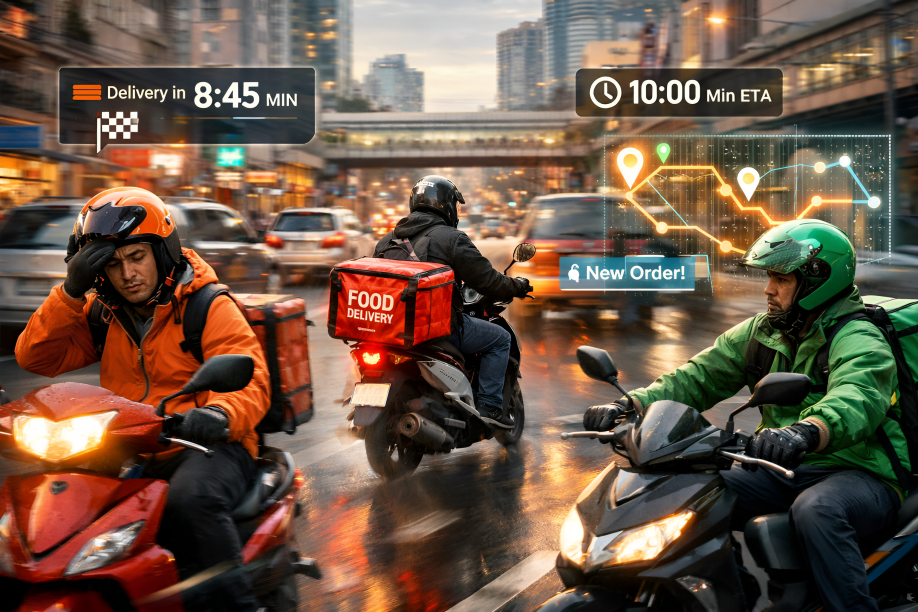
Recently, India’s ultra-fast 10-minute delivery model has come under scrutiny as thousands of gig workers protested against unrealistic deadlines, unsafe conditions, and inconsistent pay. Reports of accidents and operational stress have sparked nationwide debate on balancing rapid service, customer expectations, and the safety and well-being of delivery riders.
Arguments in Favour of the 10-Minute Delivery Model
1. Meets Customer Expectations
Ultra-fast delivery ensures meals reach customers hot and fresh, improving satisfaction, loyalty, and repeat orders, providing platforms a competitive advantage in highly competitive urban food delivery markets, catering to time-sensitive lifestyles efficiently.
- Example: A customer receives a pizza hot within ten minutes, increasing repeat orders and long-term app preference consistently during peak lunch hours.
2. Enhances Operational Efficiency
Short delivery windows force platforms to optimize routes, reduce idle time, and improve logistics, enabling more orders per rider, maximizing resource utilization, and increasing operational efficiency during high-demands effectively.
- Example: Smart AI-based routing allows riders to complete additional orders per hour, improving overall delivery efficiency during peak urban demand consistently.
3. Drives Revenue and Market Share
Rapid deliveries attract time-sensitive customers, boosting order volumes, brand visibility, and urban market share, providing platforms a competitive edge over slower competitors and increasing profits while expanding customer loyalty in dense cities.
- Example: Faster deliveries increased monthly order volumes by fifteen percent, outperforming slower competitors and reinforcing market dominance for the platform effectively.
4. Encourages Performance-Based Earnings
Short delivery targets create a performance-driven culture, where riders earn higher incentives for efficiency, directly aligning worker productivity with customer satisfaction along with platform growth.
- Example: Top performing riders earn 30 percent more daily income by completing deliveries within ten-minute targets consistently across peak periods reliably.
5. Promotes Technological Innovation
Demand for ultra-fast delivery encourages AI tracking, predictive routing, and smart order allocation, improving logistics intelligence and operational efficiency across citywide networks, driving platform technological advancements continuously.
- Example: AI-based route optimization reduced delivery times on orders, improving overall rider efficiency and increasing daily delivery throughput consistently.
6. Supports Urban Lifestyle Demands
Urban consumers have tight schedules, needing instant meals during short breaks. Rapid delivery services provide convenience, helping customers manage time-sensitive daily routines, integrating food delivery seamlessly into modern urban lifestyles efficiently.
- Example: Office workers order lunch via apps and receive meals on time, maintaining work productivity without interruptions during limited break periods.
Arguments Against the 10-Minute Delivery Model
1. Compromises Worker Safety
Riders face pressure to meet ten-minute targets, navigating hazardous traffic, poor weather, and risky conditions. Constant urgency increases the likelihood of accidents, collisions, and serious physical injuries for gig workers very often.
- Example: Minor traffic accidents increased as riders attempted ten-minute deliveries, especially during peak traffic hours, compromising worker safety significantly across urban roads.
2. Creates Unrealistic Expectations
Urban traffic, weather, and delivery distances make ten-minute deliveries mostly impractical, causing worker stress, fatigue, and customer disappointment, undermining trust in the platform and highlighting the unrealistic nature of extreme delivery promises.
- Example: Pizza deliveries frequently exceed fifteen minutes due to traffic delays, generating complaints even though riders’ sincere efforts to the meet deadlines reliably.
3. Causes Burnout and Fatigue
Continuous racing against short delivery windows creates physical and mental strain, causing exhaustion, stress, and long-term health issues for riders, reducing overall sustainability of gig work in high-pressure delivery environments.
- Extended shifts frequently lead to fatigue, back pain, and declining overall performance, negatively affecting workers’ health and long-term job sustainability consistently
4. Reduces Earnings Stability
Incentives tied to speed penalize unavoidable delays. Riders may earn less despite effort, creating financial uncertainty and stress in a system where timing often outweighs actual work quality consistently.
- Example: A rider loses income when delays occur, even delivering promptly, resulting in unstable daily earnings and unpredictable financial outcomes regularly.
5. Encourages Unsafe Practices
Pressure to meet tight deadlines may cause riders to break traffic rules, skip safety protocols, or over-speed, increasing accidents and public safety hazards consistently across urban areas.
- Example: Riders running red lights or over-speeding to meet ten-minute targets caused frequent near-miss accidents during peak urban traffic periods.
6. Prioritizes Speed Over Quality
Focus on ultra-fast delivery often compromises food handling, packaging, and order accuracy, reducing customer satisfaction and harming platform credibility when speed is valued above meal quality consistently.
- Example: Hastily delivered meals spill or arrive incorrectly, lowering customer enjoyment and trust in the platform consistently during high-demand periods.
Conclusion:
The 10-minute delivery model provides clear advantages, including rapid service, improved customer satisfaction, operational efficiency, and opportunities for performance-based earnings, while also presenting significant challenges, such as worker safety risks, stress, and unrealistic expectations. Its overall necessity depends on finding a balance between speed and practicality, ensuring consumer convenience, technological innovation, and fair working conditions, so the system benefits both platforms and gig workers sustainably.